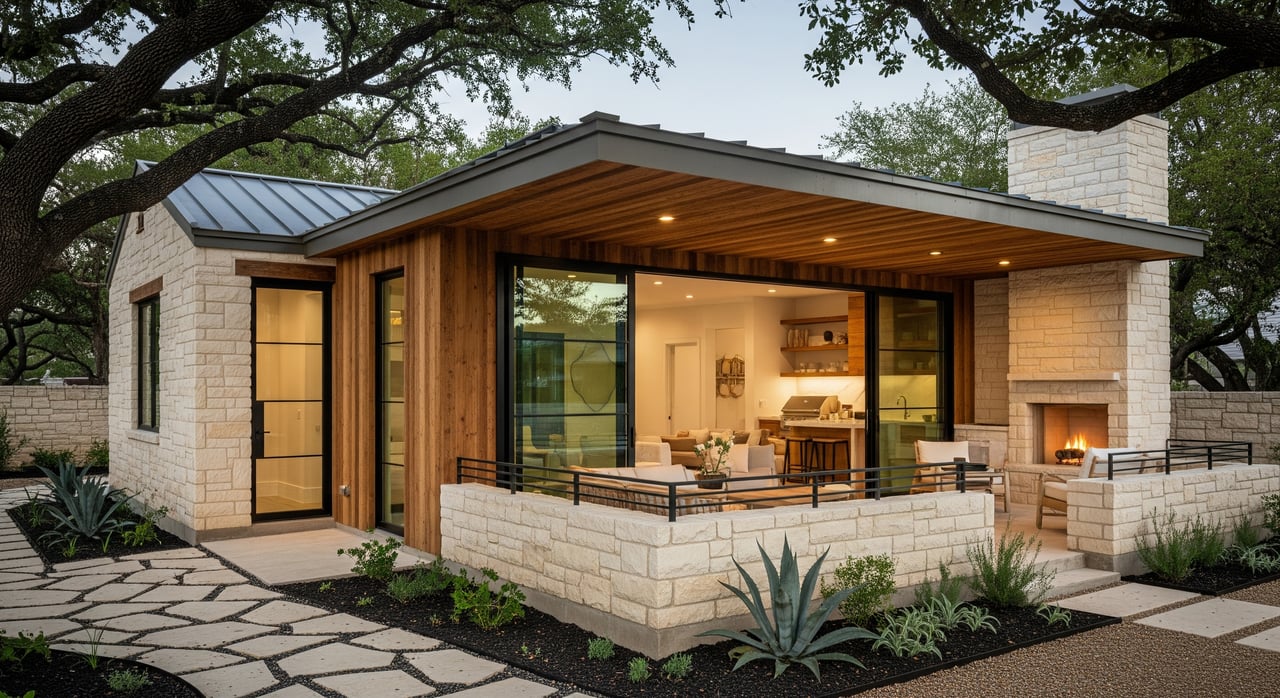
Thinking about adding an ADU to your San Antonio property, but not sure where to start or whether it will pay off? You are not alone. Between zoning rules, utility connections, and cost ranges, it can feel overwhelming. This guide gives you a clear path to check what is allowed, estimate costs and rent, and map out your next steps so you can move forward with confidence. Let’s dive in.
ADU basics in San Antonio
An accessory dwelling unit is a smaller, independent home on the same lot as your primary residence. Common options include an internal conversion, an attached addition, a detached backyard cottage, or a garage conversion or studio above a garage. The best type for you depends on your lot, budget, and whether you want rental income or space for family.
Inside San Antonio city limits, city code and the Unified Development Code govern what you can build. In unincorporated Bexar County, county standards and infrastructure often drive feasibility. Always verify rules for your specific address before you design or spend.
Where to confirm rules
Inside city limits, contact the City of San Antonio Planning and Development Services teams and review the Unified Development Code. They will confirm zoning, permitted uses, and permit steps. For properties outside the city, contact Bexar County permitting and planning.
Plan to coordinate early with San Antonio Water System for water and sewer and CPS Energy for electric and gas. For taxes and assessments, the Bexar County Appraisal District can explain how an ADU may affect your tax bill. If you hope to use the ADU as a short term rental, review the City’s short term rental rules and any county occupancy tax requirements.
Key rules to verify
Zoning and overlays
Confirm that ADUs are allowed in your zoning district and check any overlay zones. Historic districts, conservation areas, floodplain, or military encroachment overlays may add design review or special steps.
Size, height, and setbacks
Cities often cap ADU size by square feet or as a share of the main home. Height limits, lot coverage, setbacks, and separation from the primary house shape what will fit. A simple site plan helps you see your buildable area.
Parking and owner occupancy
Some areas reduce or waive parking for ADUs, while others require on site spaces. Ask if owner occupancy is required. Rules vary and can impact your financing and rental plan.
Utilities and metering
Clarify sewer versus septic, meter needs, and whether separate meters are required. Utility connection distances and capacity can meaningfully affect costs and timelines.
Historic, floodplain, and HOA impacts
Historic district design review, protected trees, utility easements, drainage, or floodplain status can change design and budget. If you are in an HOA, review covenants for ADU restrictions.
Costs and timelines
Every site is different, but these planning ranges can help you frame a budget:
- Interior conversion of existing space: often the most cost effective, with simple projects starting around the tens of thousands. Many conversions fall in the roughly 20,000 to 80,000 dollar range depending on scope.
- Attached or simple small detached units: often mid range, commonly in the roughly 100,000 to 250,000 dollar range depending on size and finishes.
- Purpose built detached ADU, about 400 to 1,000 square feet: total costs often align with about 150 to 350 plus dollars per square foot in many markets, which can land around 100,000 to 350,000 plus. San Antonio costs are typically below high cost coastal cities, but site work and utilities can push totals up.
Plan for soft costs like design, engineering, surveys, permits, and utility taps. These can add about 10 to 20 percent on top of construction. Timelines vary by scope. Simple interior conversions may take 2 to 6 months. New detached builds often run 6 to 12 plus months including permitting.
Local factors that move the budget
- Sewer availability and distance to the main can change cost and timing.
- Floodplain or drainage mitigation can add design and construction steps.
- Historic district design standards can affect materials and labor.
Contractor tips
- Get at least three detailed bids with line items for site work, utilities, foundation, shell, and finishes.
- Ask for ADU references and look for teams experienced with San Antonio permitting and SAWS and CPS coordination.
- Consider design build options to reduce surprises and align price with plans.
Rent potential and ROI
To estimate rent, study nearby studio and 1 bed rentals and small homes with similar size, parking, private entrance, and finishes. Adjust for rent per square foot and whether utilities are included. Demand tends to be stronger near downtown, universities, major employers, and military bases.
Use a simple framework to test returns:
- Net Operating Income: Annual rent minus vacancy, operating expenses, and the share of property taxes and insurance tied to the ADU.
- Cash on cash return: Annual cash flow after debt divided by your cash invested.
- Simple payback: Total build cost divided by annual pre tax cash flow.
Inputs to gather for a quick calculator:
- Total build cost and a 10 to 15 percent contingency.
- Annual gross rent and a vacancy allowance, often 5 to 10 percent.
- Operating costs, including utilities if you pay them, insurance, maintenance, property management if used, and taxes attributed to the ADU.
- Debt service if you use a HELOC, construction loan, or refinance.
Taxes and appraisal
Rental income is taxable, but expenses, interest, property taxes, insurance, maintenance, and depreciation may offset income. The Bexar County Appraisal District typically appraises improvements, which can raise your assessed value and taxes. If you pursue short term rentals, you may need registration and occupancy tax compliance.
Long term vs short term rentals
Short term rentals can produce higher nightly rates but add cleaning, turnover, management, higher vacancy risk, and more compliance requirements. Long term rentals usually provide steadier cash flow and less daily management. Check local rules and any HOA guidance before you plan for short term use.
Feasibility checklist
Gather this information before you contact professionals:
- Property address and parcel number.
- Zoning and any overlays or historic designations.
- Lot dimensions, structures, easements, and protected trees.
- Utility status, including water, sewer or septic, meter locations, and distance to sewer main.
- Floodplain or drainage status.
- HOA covenants if applicable.
- Desired ADU type, target size, and intended use, rental or family.
Your step by step path
- Confirm zoning and permitted ADU types for your parcel with the city or county.
- Order a site plan or survey to map setbacks, easements, and buildable area.
- Contact SAWS and CPS to confirm capacity and estimate hookup costs.
- Get two to three schematic designs and preliminary cost estimates.
- Secure three contractor bids with clear line items and allowances.
- Model rent and ROI with best, likely, and worst cases, including taxes and financing.
- Finalize design, line up financing, then apply for permits.
- Build with staged draws and inspections, and track budget to plan.
Common roadblocks to plan for
- Easements and protected trees can limit placement of a detached unit.
- Drainage or floodplain status may require elevation or mitigation.
- Septic systems may need upgrades or expansion if you are outside city sewer.
- Neighbor concerns about privacy and access are common. Good design and communication help.
Ready to run the numbers?
Whether you are building for family or to offset your mortgage, an ADU can be a smart, flexible addition when the rules, utilities, and budget align. If you want help confirming zoning, scoping costs, and framing a rent and ROI plan that fits your goals and timeline, connect with Broker Owner Cynthia Emerson. You will get finance savvy guidance, relocation friendly perspective, and a personalized plan. Get your free home valuation to see how an ADU could impact your property value.
FAQs
Are ADUs allowed on my San Antonio lot?
- Verify with City of San Antonio Planning and the Unified Development Code for your zoning and any overlays, or with Bexar County permitting if you are outside city limits.
How much does a detached ADU cost locally?
- Planning ranges for new detached units commonly span about 100,000 to 350,000 plus depending on size and finishes, with many markets showing about 150 to 350 plus dollars per square foot.
How long does permitting and construction take?
- Interior conversions may finish in 2 to 6 months, while new detached ADUs often take 6 to 12 plus months including design, permits, utilities, and inspections.
How will an ADU affect my property taxes?
- The Bexar County Appraisal District typically appraises improvements, which can increase assessed value and taxes, so consult BCAD and a CPA for timing and tax guidance.
Can I rent my ADU on Airbnb in San Antonio?
- Check the City’s short term rental rules, registration, and any HOA covenants, and account for hotel occupancy taxes if required.
What financing options are common for ADUs?
- Owners often use cash, a HELOC, a cash out refinance, or construction or renovation loans, and lender policies vary on how they treat ADUs and rental income.