Trying to make San Antonio home without stretching your budget too thin? House hacking can be a practical way to lower your monthly costs while building long-term flexibility. If you are open to living in one part of a property and using the rest to generate income, San Antonio offers several paths worth exploring. Let’s dive in.
Why house hacking works in San Antonio
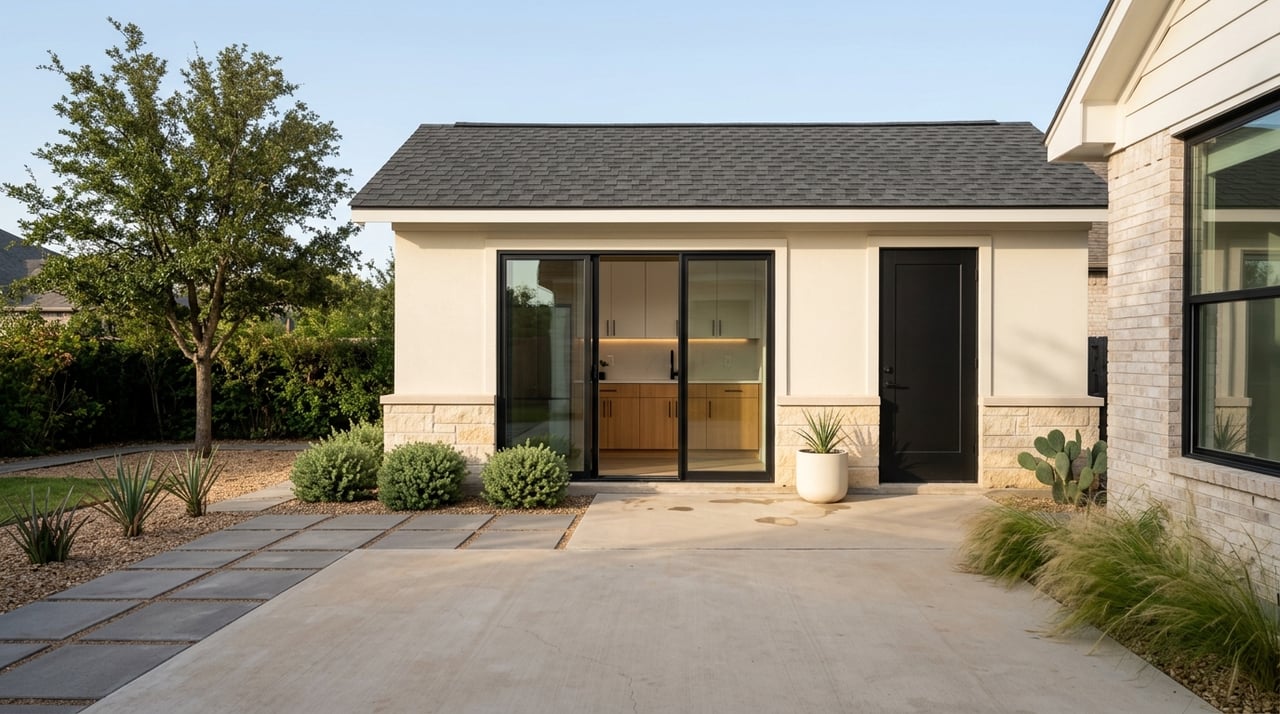
San Antonio is one of the more interesting Texas markets for house hacking because the city has clearly embraced casitas, also known as accessory dwelling units or ADUs, as a tool for extra income, housing flexibility, and aging in place. The city even offers permit-ready casita plans and approved a casita incentive pilot in 2025, which shows this is not a fringe concept.
That local support matters when you are weighing whether a property can realistically help offset your costs. San Antonio also reports that more than 21% of single-family lots are larger than 10,000 square feet, which may create more opportunities for backyard units or similar setups on qualifying properties.
What house hacking means
House hacking usually means you live in a property while renting out part of it to help cover your mortgage and other housing costs. In San Antonio, that often looks like renting a room, buying a home with a casita, adding an ADU, or purchasing a duplex or small multifamily property where you occupy one unit.
The key idea is simple: you remain the occupant, and the property helps work harder for your budget. But the details matter, especially when zoning, permits, owner-occupancy rules, and tax treatment all come into play.
Renting a room in your home
For many buyers, renting a room is the easiest place to start. It usually requires less upfront cash than building an ADU or buying a multifamily property, and it can help you offset expenses without making major changes to the home.
In San Antonio, a long-term roommate setup is different from a short-term rental. If your plan is simply to rent a room to someone who lives with you, that is a different use than offering overnight stays for less than 30 consecutive days.
You should also check private restrictions before you move forward. The city states that it does not enforce covenants and deed restrictions, so if your neighborhood has HOA rules or deed restrictions, you will need to review those separately.
Best fit for room rentals
Renting a room may make sense if you:
- Want the lowest-cost entry into house hacking
- Prefer a standard single-family home
- Need flexibility while you learn the market
- Plan to live in the home full time
Buying or building a casita
In San Antonio, casitas are officially treated as ADUs. The city says these can be attached or detached and may include garage apartments, guest houses, and in-law suites.
This option is especially appealing if you want a bit more privacy between your living space and your rental space. It can also work well if you are buying a home with an existing ADU or targeting a property with room to add one later.
San Antonio ADU rules to know
The city allows ADUs in R-1 through R-6 and RM-4 through RM-6 zoning districts, along with multifamily districts up to a total of five units. However, there are important limits that can affect whether a property fits your plan.
Here are some of the biggest rules to keep in mind:
- The owner must live on the property
- Only one ADU is allowed per qualifying property
- Size, setback, height, utility, and parking standards apply
- Parking is required only above certain size thresholds
- If the owner will not live on site, rezoning may be required to allow more than one dwelling unit
These rules are a big reason why you should verify the property before you buy, not after. A house with a large backyard may look promising, but lot size alone does not guarantee an ADU is allowed.
Why casitas stand out locally
San Antonio has built a clearer path for casita planning than many cities. Its casita resources include guidance related to financing, contractors, appraisals, and historic-district considerations, which can make the process feel more approachable for first-time buyers and owners who want a roadmap.
If you are comparing homes, this can be a major advantage. A property that already aligns with local ADU rules may offer far more value than a cheaper home that looks flexible but turns out not to qualify.
Buying a duplex or small multifamily property
Another classic house-hacking strategy is buying a duplex or a small multifamily property, living in one unit, and renting the others. In San Antonio, this can be a viable path, but it is highly specific to the parcel and zoning.
City examples of permitted uses show two-family dwellings in RM-4, RM-5, RM-6, and multifamily districts such as MF-18 and above. That means a duplex setup can work, but you should never assume it is allowed just because similar properties exist nearby.
The city also states that construction in San Antonio requires the property to be platted and zoned. If you are hoping to convert or redevelop a property into a duplex-style setup, confirming those details early is essential.
When multifamily may be a strong choice
A duplex or small multifamily property may be worth a closer look if you:
- Want more separation between your unit and tenant space
- Prefer built-in rental design over adding an ADU later
- Need a property type that may align with owner-occupied financing options
- Are comfortable verifying zoning and occupancy rules before making an offer
Short-term rentals are a separate issue
If part of your plan involves Airbnb-style income, treat that as its own category. San Antonio defines short-term rentals as stays of less than 30 consecutive days and requires a city permit for all short-term rentals inside city limits.
The city also distinguishes between Type 1 short-term rentals, which are the owner's primary residence, and Type 2 short-term rentals, which are not owner-occupied. That distinction matters because a property that works for a roommate or long-term tenant may raise different compliance questions if you want short stays.
Homestead exemption and your true monthly cost
When you house hack as an owner-occupant, property taxes can be part of the bigger picture. BCAD says the general residence homestead exemption reduces the taxable value of the home, and the Texas Comptroller says a residence homestead must be the owner's principal residence.
That matters if you plan to live in one part of the property and rent out another. Your monthly cost is not just about the mortgage payment. It is also about taxes, insurance, maintenance, and whether you qualify for exemptions tied to owner occupancy.
Financing matters as much as the property
A good house-hack property is not just a home with income potential. It is a home where the financing, occupancy rules, and local code all line up.
The research for this topic shows that FHA forward mortgages are available for one-unit homes with an ADU and for two- to four-unit dwellings, with the program limited to owner-occupants. VA loan materials also state that eligible borrowers can buy a multifamily property up to four units if one unit is owner-occupied.
For buyers in San Antonio, the takeaway is practical. You need to match the property type to the loan rules and your occupancy plan from the start, rather than hoping it will all come together later.
Questions to ask before you buy
Before you rely on rental income to justify a purchase, make sure you have answers to the right local questions. This is where finance-savvy planning can save you time, money, and frustration.
Ask these questions early:
- Is the property zoned for the use you want?
- If there is an ADU, is it allowed under current city rules?
- If you want to add a casita, do the lot and zoning qualify?
- Does the property have HOA rules or deed restrictions that affect rentals?
- If you plan short-term rentals, would a city permit be required?
- Will your loan program allow this property type?
- Would your owner-occupancy plan support homestead eligibility?
A smart San Antonio house-hack plan
The strongest house-hack opportunities in San Antonio tend to share a few traits. They are owner-occupied, fit the city’s zoning framework, and have a realistic path to rental income without depending on assumptions.
That could mean a single-family home with a legal room-rental setup, a property with an existing casita, or a duplex that already fits the code. In every case, the goal is the same: lower your housing costs while staying compliant and protecting your long-term options.
If you are considering this strategy, it helps to work with someone who can look at both the neighborhood fit and the financial side of the decision. For tailored guidance on San Antonio house-hacking opportunities, connect with Cynthia Emerson to talk through your goals and next steps.
FAQs
Can I rent a room in my San Antonio home without a permit?
- A long-term roommate setup is different from a short-term rental, but you should still review any HOA rules or deed restrictions because the city does not enforce those private restrictions.
Can I build a casita on any San Antonio property?
- No. ADUs are allowed only on qualifying properties in certain zoning districts, and city rules also cover owner occupancy, size, setbacks, height, utilities, and parking.
Can I use house hacking for Airbnb income in San Antonio?
- Possibly, but overnight stays of less than 30 consecutive days are treated as short-term rentals, and the city requires a permit for all short-term rentals inside city limits.
Does homestead exemption still matter if I rent part of the property?
- Yes. BCAD says the general residence homestead exemption reduces taxable value, and the property must be your principal residence to qualify as a residence homestead.
Can I buy a duplex in San Antonio for house hacking?
- Yes, in some cases, but duplex use is parcel-specific and should be verified against zoning and platting requirements before you buy.
Can VA or FHA financing work for house hacking in San Antonio?
- In some cases, yes. The research indicates FHA and VA options may work for certain owner-occupied properties, including some multifamily setups, but you should confirm the exact property and occupancy requirements with your lender before making a decision.