Torn between a San Antonio address and a Hill Country suburb? You are not alone. Each area offers a different mix of price, space, commute, and weekend fun, and it can be hard to weigh the tradeoffs from a distance. In this guide, you will see a clear, side‑by‑side look at housing, commute patterns, outdoor access, and practical costs so you can choose with confidence. Let’s dive in.
Quick take: city vs suburbs
- San Antonio city core: Denser housing mix, smaller yards, shorter average travel‑to‑work time around 24 to 25 minutes, and more urban amenities with some transit options. Typical values sit in the mid‑$200k range, depending on the data source and month.
- Hill Country close‑in (Helotes, Garden Ridge): Larger lots and a more rural feel, from 0.2 acre parcels to 1+ acre estates. Prices trend higher than the city average, with Garden Ridge notably higher. Peak‑hour commutes can run longer.
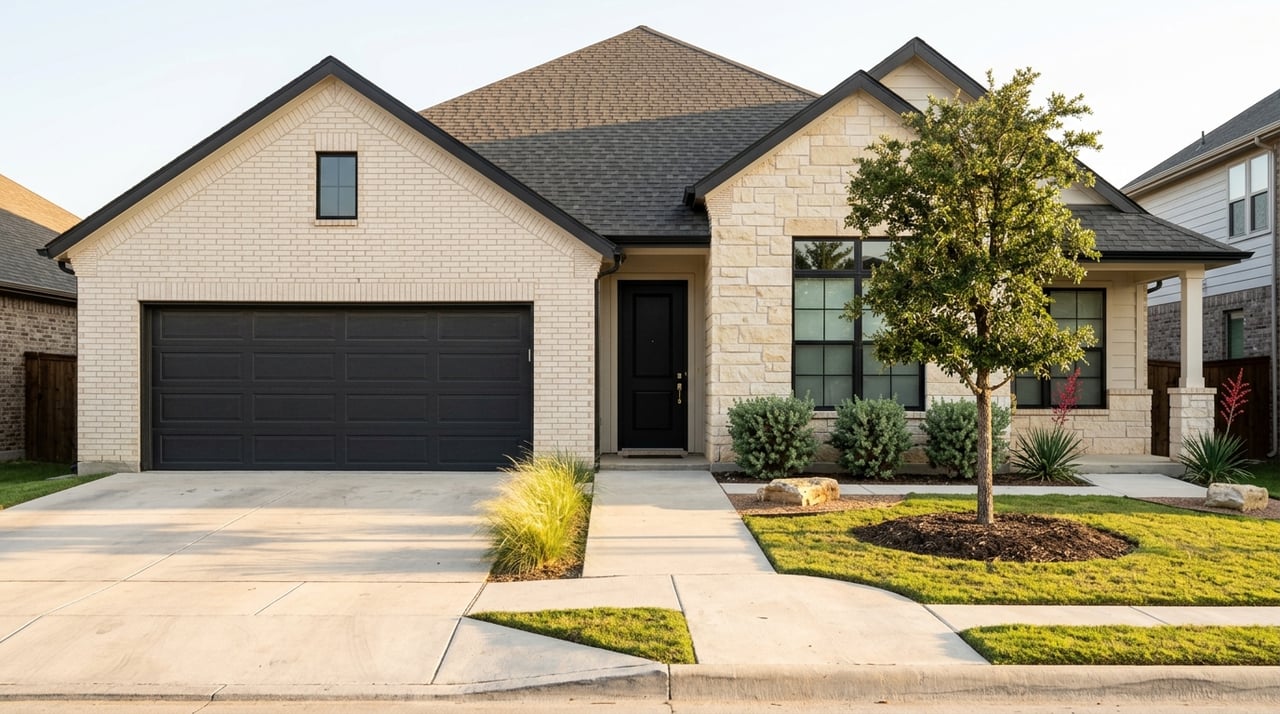
- I‑35 corridor (Cibolo, Schertz, New Braunfels): Newer subdivisions and a lot of new construction. Lots often range about 0.15 to 0.35 acres, with New Braunfels also offering estate and riverfront options. You often trade a longer drive for larger, newer homes and quick I‑35 access.
Home prices and lot sizes
When you compare prices, always note the data provider and the month. Redfin reports recent closed‑sale medians. Zillow’s ZHVI tracks a modeled “typical value.” Listing medians can differ again. Small markets can swing month to month if only a handful of homes sell.
- San Antonio city: Redfin’s median sale price was about $250,000 in Jan 2026, and Zillow’s ZHVI was about $245,000 on Jan 31, 2026. You will find condos, bungalows, ranch homes, townhomes, and some infill new builds. Many central lots are under 0.2 acre.
- Helotes: Recent snapshots cluster near $410,000 to $460,000 (Redfin near $412,000 in Jan 2026, Zillow ZHVI near $455,000). Lot sizes range from roughly 0.18 to 0.3 acre inside planned neighborhoods to 1+ acre in hilltop and gated communities. Price dispersion is wide because product varies.
- Garden Ridge: Typical values often sit about $680,000 to $800,000. Redfin showed around $760,000 for Jan 2026, but the median is volatile due to limited monthly sales. Expect large residential lots and a custom, Hill Country look.
- Cibolo: Medians cluster in the low‑to‑mid $300,000s depending on provider. Most inventory is newer single‑family homes aimed at move‑up buyers, with lots commonly around 0.15 to 0.35 acre.
- Schertz: Typical medians run about $300,000 to $355,000. Subdivisions are largely post‑1990 with a healthy mix of resale and active builders.
- New Braunfels: Medians vary by index from about $335,000 to $400,000. You will see a hybrid market, from historic in‑town homes to large master‑planned communities and Hill Country or riverfront estates.
Tip: If you are comparing small cities like Garden Ridge, look at a 12‑month trend, not just a single month. A couple of high‑end sales can skew the median.
Commute times and connectivity
The region is predominantly car‑dependent. VIA Metropolitan Transit serves the San Antonio core and nearby corridors, but most Hill Country suburb commuters rely on private vehicles or car‑pooling. Always test the routes that matter to you at the times you will drive.
- Average travel times: San Antonio averages about 24 to 25 minutes. Helotes averages about 25 to 26 minutes. Schertz shows about 31 minutes or more, Cibolo roughly 29 to 31 minutes, Garden Ridge about 28 to 29 minutes, and New Braunfels about 23 minutes. These are means, not guarantees, and reflect a range of job locations.
- Drive distance to downtown San Antonio: Helotes is roughly 18 to 20 miles (about 20 to 30 minutes off‑peak). Garden Ridge is about 21 miles (25 to 30 minutes). Cibolo and Schertz are about 20 to 26 miles (25 to 40 minutes depending on I‑35). New Braunfels is about 30 to 35 miles (often 35 to 50+ minutes with I‑35 congestion). Your actual time will depend on your exact start and end points.
Practical advice:
- Time your commute during peak hours, not just on a weekend.
- Test routes to your specific destination, such as the Medical Center, Downtown, Randolph AFB, or North Central business parks.
- If you will drive I‑35 or Loop 1604, check typical peak patterns. Some corridors can add 20 to 40 minutes at rush hour.
Outdoor recreation and lifestyle pace
- San Antonio city: You will have easy access to urban parks, the River Walk, museums, cultural venues, and a steady stream of dining and events. The pace feels more urban, with shorter drives between amenities and smaller yards to maintain.
- Helotes and nearby Hill Country: Government Canyon State Natural Area offers more than 40 miles of trails, plus ranger programming and dinosaur tracks. Many Helotes neighborhoods sit in the hills with a more private, country feel. Evenings are quieter, and weekend plans often start on a trail.
- Cibolo and Schertz area: You are close to conservation and nature assets like the Cibolo Center for Conservation, with trails, a heritage farm, and outdoor education on a preserve over 100 acres. Subdivisions deliver community amenities, and you can reach Hill Country day trips quickly.
- New Braunfels: This is a river‑centric lifestyle with the Comal and Guadalupe for tubing and fishing. Landa Park brings spring‑fed water, trails, and a small train, and the town hosts year‑round outdoor events. You can choose compact in‑town living or a larger Hill Country lot, then spend weekends on the water.
In short, Hill Country suburbs lean slower and more outdoor‑oriented. City living leans faster, more urban, and convenient, with tradeoffs in yard size and traffic.
Taxes, HOAs, and utilities to check
- Property taxes: Texas has no state income tax. Local services are funded largely by property taxes, which are set by city, county, school district, and special districts. Your total bill depends on the exact address and all taxing units that apply. Review the parcel’s TRIM notice and the county appraisal district pages to build your estimate. School district rates are often a large share of the total.
- HOAs and fees: Many newer subdivisions in Schertz, Cibolo, and parts of New Braunfels have HOAs with mandatory fees. Hill Country gated communities in Helotes also commonly have associations. Confirm the HOA’s rules, fees, and any planned assessments early.
- Utilities and water: Acreage and rural‑edge properties may rely on septic systems and private or small‑system water providers. Some listings in Helotes, for example, note septic. In parts of Comal County near New Braunfels, rapid growth has pressured water supplies in recent years. Before you buy acreage, confirm the water provider, capacity, and whether there are any new‑tap moratoria.
Development trends to watch
- New Braunfels growth: New Braunfels and nearby Comal County have been among the region’s fastest‑growing areas, with master‑planned communities and a strong tourism economy. Growth can affect pricing, services, and timelines for new utilities.
- San Antonio inventory: Through 2025 into early 2026, San Antonio showed more inventory and longer days on market in several segments. That can create more room to negotiate in some neighborhoods, though conditions vary by price tier and location. A current MLS snapshot is best for a neighborhood‑level read.
How to choose your fit
Start with your daily rhythm and must‑haves. Then pressure test what a typical week looks like in each location.
- If you want a shorter average commute and easy access to dining and cultural spots, the San Antonio core can save time and miles. Expect smaller lots and a denser urban feel.
- If you want larger lots, Hill Country views, and quick trail access, consider Helotes or Garden Ridge. Build extra commute time into your weekday plan.
- If you want newer construction and more interior square footage for the price, look at Cibolo, Schertz, and New Braunfels. You will likely drive farther, but you gain space and move‑in‑ready features.
Use this quick checklist before you shortlist neighborhoods:
- Drive your commute at peak and off‑peak and note backup routes.
- Confirm utilities for any target property: water provider, city sewer vs septic, electric, and internet options. For wells or septic, request recent tests and permits.
- Pull the parcel’s TRIM notice and combine all local tax rates for a realistic budget.
- Review HOA covenants, fees, and rules for any home you like.
- Visit the parks and recreation spots you care about, such as Government Canyon, Cibolo Center for Conservation, Landa Park, or river access points, and see how the drive feels.
Ready to compare addresses with a local pro?
You do not have to make this decision alone. With 20+ years in financial services and Military Relocation Professional expertise, we map commutes, model total monthly costs, and align neighborhood choices with your lifestyle. For buyer representation, seller strategy, relocation support, or a free home valuation, connect with Cynthia Emerson to get a clear plan.
FAQs
What are typical 2026 home prices in San Antonio vs Helotes?
- San Antonio’s median hovered near $245,000 to $250,000 in Jan 2026 depending on the source, while Helotes clustered near $410,000 to $460,000 based on recent provider snapshots.
How long is the commute from New Braunfels to downtown San Antonio?
- It is roughly 30 to 35 miles and often 35 to 50+ minutes depending on I‑35 traffic, your exact start point, and time of day.
Do Hill Country homes often rely on septic systems?
- Yes, some acreage and rural‑edge properties, including in parts of Helotes and Comal County, use septic and private or small‑system water providers, so verify utilities before you buy.
Are property taxes similar across Bexar and Comal counties?
- Total property taxes vary by address because they combine city, county, school district, and special districts, so use the parcel’s TRIM notice and county appraisal data to estimate your bill.
Where can I find larger lots near San Antonio?
- Look first at Helotes and Garden Ridge for 1+ acre and estate‑style options, and at select New Braunfels and Comal County neighborhoods for larger Hill Country or river‑area parcels.
Is public transit a realistic option from the suburbs into San Antonio?
- The region is largely car‑dependent, with VIA service focused on the city core, so most suburb residents drive or car‑pool and should test peak‑hour routes.