If you are drawn to places with real character, Downtown New Braunfels has a lot to offer. Instead of a typical suburban layout, you get historic streets, local events, river access, and a more walkable day-to-day experience. If you are wondering whether that lifestyle fits the way you want to live, this guide will help you understand the benefits, tradeoffs, and housing options that shape downtown living. Let’s dive in.
Downtown feel and character
Downtown New Braunfels has a distinct identity that feels different from many newer parts of the city. The area is centered around a historic, walkable core with Main Plaza serving as a key gathering space for community life, shopping, and events. According to the City of New Braunfels Downtown page, Main Plaza includes benches, restrooms, parking, and pedestrian pathways.
As you move through downtown, you will notice the strong historic influence in the architecture and street layout. City and downtown materials highlight German-influenced buildings, boutiques, cafés, art galleries, and music venues that help create the area’s small-scale, active atmosphere. That mix gives downtown a lived-in feel that is more about place and personality than master-planned uniformity.
Another important landmark is Market Plaza, which was originally the central market for German immigrants and is now a city park and historic site. That history still shapes the area’s old-town appeal today. If you value a neighborhood with roots and a recognizable sense of place, downtown delivers that in a very visible way.
Walkability and outdoor access
One of the biggest lifestyle advantages of living downtown is that many everyday destinations are close together. You can spend time near local shops, dining spots, public gathering areas, and civic spaces without needing to drive across town for everything. That convenience can make your routine feel more connected and less car-dependent than in more spread-out neighborhoods.
Downtown also benefits from its connection to outdoor recreation. Landa Park is within walking distance of historic downtown, which adds another layer to the lifestyle. For many buyers, that means you can enjoy a central location without giving up access to green space and time outside.
The Comal River is another major draw. River access parks are open daily from 6 a.m. to midnight, and the river is open for recreation except during high water or public-safety closures. Seasonal lifeguards are on duty at the tube chute, and residents inside city limits may qualify for a free Resident River Parking Permit and a resident river pass that can waive river-management fees.
Events shape downtown life
If you live downtown, you are not just choosing a location. You are also choosing a rhythm. Downtown New Braunfels has a busy event calendar, and that plays a big role in what daily life feels like throughout the year.
The Downtown Association’s annual events calendar includes recurring traditions like First Friday, Sidewalk Sales, the Downtown Wine Stroll, downtown tree lighting, Wassailfest, parades, and cultural festivals. The city also highlights major downtown traditions such as Saengerfest and Wassailfest. These events help create energy and community connection, especially if you enjoy being near activity.
That said, event-driven living is not the same as quiet, tucked-away living. During major festivals, traffic, parking demand, and foot traffic can increase. The city’s use of free shuttle and parking arrangements for Saengerfest is a good reminder that downtown can feel lively and crowded during popular seasonal events.
Homes and housing options
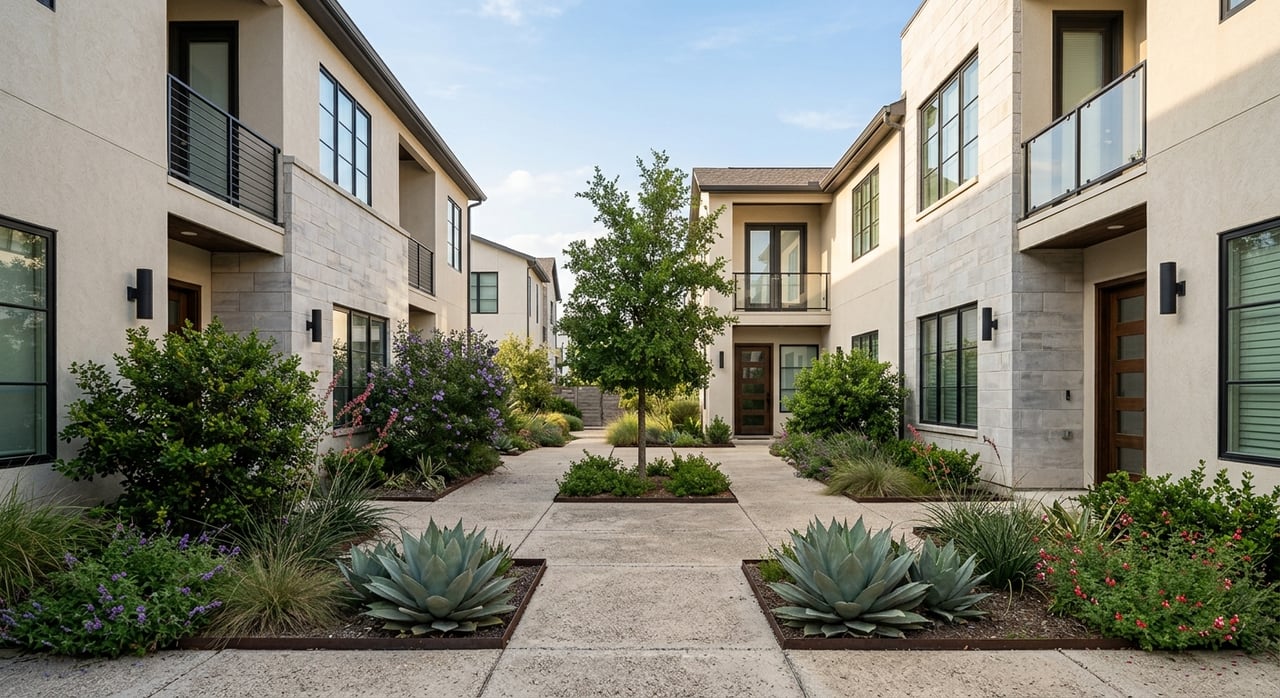
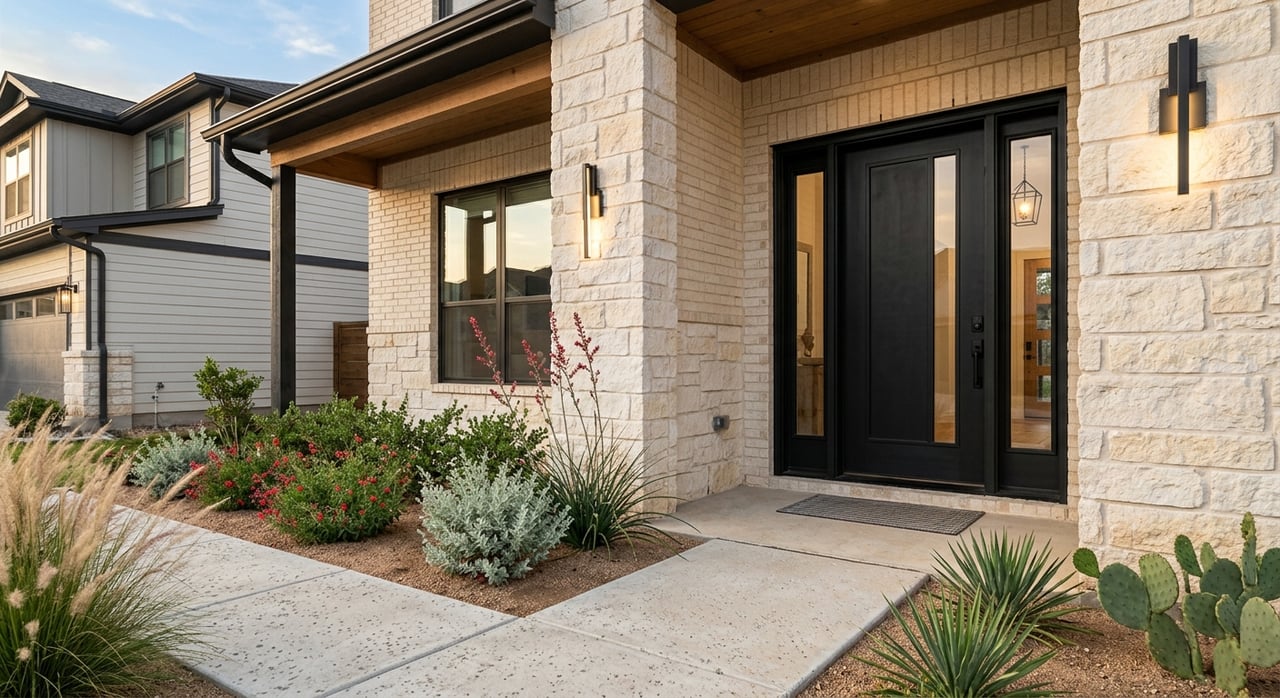
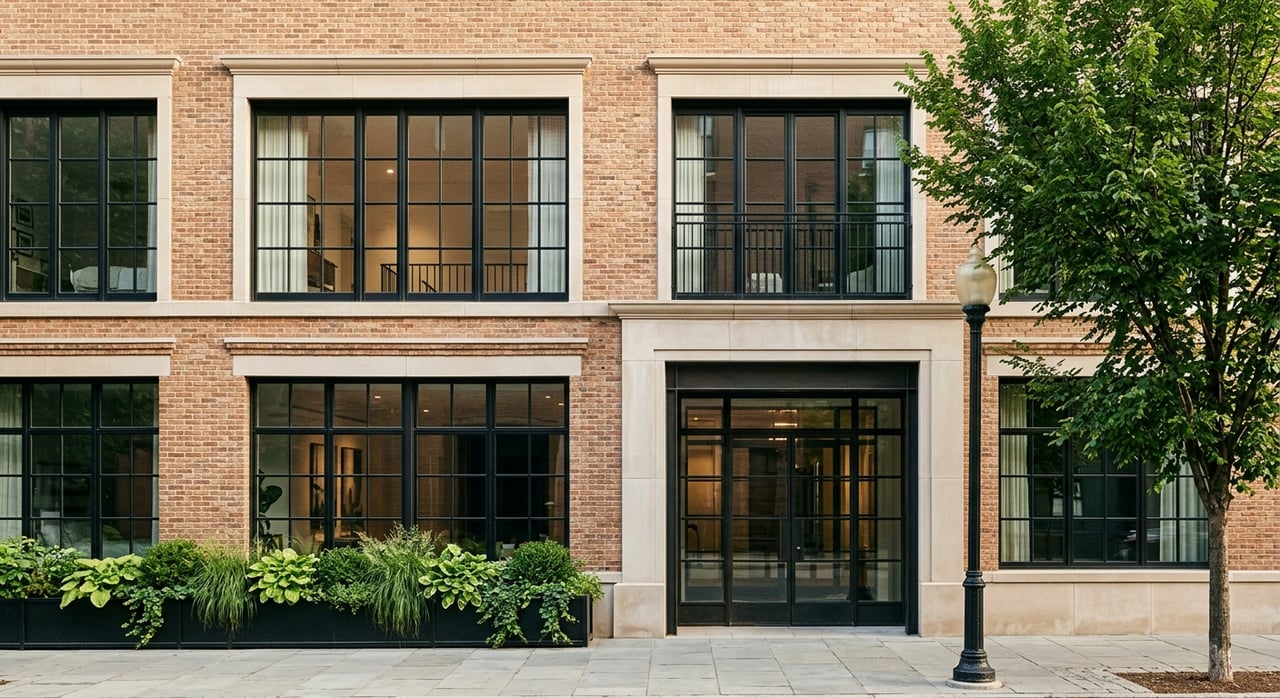
Downtown New Braunfels offers a different housing mix than many newer neighborhoods. Instead of large subdivisions and broad stretches of similar homes, the area tends to feature older single-family properties, restored historic homes, and some multifamily or mixed-use opportunities. For buyers who want variety and architectural character, that can be a major plus.
The Downtown Historic District was platted in 1845, and the city notes that the original plan still influences the architecture and land-use pattern today. Historic resources in the district span roughly 1845 to 1940 and include German-Texas Vernacular homes, Craftsman bungalows, Victorian-era dwellings, and other historic property types. That range creates an eclectic housing landscape that is hard to replicate in newer areas.
City planning materials also suggest that the housing story downtown is shaped more by smaller infill residential projects, mixed-use development, and apartments near downtown than by large-scale suburban expansion. The downtown implementation plan anticipated smaller infill residential and mixed-use projects adjacent to downtown. In practical terms, that means inventory may feel more limited and more varied from one block to the next.
If you are considering a purchase here, it helps to expect homes with personality rather than predictability. You may find older layouts, smaller lots, or homes with renovation history that needs a closer look. For some buyers, that is part of the charm. For others, it is an important factor to weigh before deciding whether downtown is the right fit.
Parking and practical realities
Downtown living often comes with tradeoffs, and parking is one of the biggest ones to understand up front. The city reports that downtown has 1,080 free parking spaces and 256 paid public spaces. Under the updated Downtown Parking program, which launched July 7, 2025, the first hour is free, then parking is $2 per hour with a $10 daily maximum.
That system works differently from a typical suburban neighborhood where parking is easier and often less regulated. The city notes that most parking lots are pay-to-park, parking along most residential streets is prohibited, and some residential areas are permit-only. If you are moving from a neighborhood with wide driveways and easy guest parking, this is one of the clearest day-to-day differences to expect.
River-related parking also has its own rules. While residents can apply for free river parking permits, those permits do not cover Prince Solms Park during the summer season, according to the city’s Comal River information page. If river access is high on your list, that is worth understanding before you buy.
Commuting and getting around
New Braunfels sits between San Antonio and Austin along the I-35 corridor, which is part of what makes the city attractive to many buyers. The city’s materials describe downtown access from either direction using Exit 187 on I-35. For commuters, that central location can support regional travel while still giving you a more local, small-city feel at home.
Within the city, transportation options go beyond driving yourself everywhere. The city notes that Rio provides on-demand microtransit inside New Braunfels, while ART serves as a regional connection for trips beyond the city. If flexibility matters to you, those options may be useful depending on your routine.
Still, commuting from downtown means balancing convenience with event traffic, parking rules, and an older street grid. It is smart to think about your work schedule, visitor patterns, and how often you need quick vehicle access. Lifestyle fit matters just as much as map location.
Flood and drainage considerations
Because downtown includes older infrastructure and some river-adjacent areas, buyers should pay close attention to drainage and flood-related factors. This is not unique to New Braunfels, but it is especially important in older central neighborhoods where block-by-block conditions can vary. A beautiful location should always be paired with careful due diligence.
The city says Castell Avenue and nearby areas have experienced some of the worst flooding during heavy rains in downtown. The Coll Street Drainage Project is intended to improve storm infrastructure as part of broader redevelopment efforts. If you are looking at homes in or near downtown, it is wise to review location-specific details closely.
For buyers, this does not mean avoiding downtown altogether. It means asking informed questions about the specific property, lot, and surrounding area. A neighborhood-focused real estate advisor can help you look at the lifestyle side and the practical side together.
Who downtown fits best
Downtown New Braunfels is often a strong fit if you want a historic, river-adjacent, event-driven lifestyle with a compact urban feel. It appeals to buyers who value local character, walkability, and the ability to be close to shops, parks, and community events. If you enjoy being near activity, downtown can feel engaging and full of personality.
It may be less ideal if your top priorities are abundant parking, newer housing stock, or a quieter setting during festival seasons. The tradeoffs are real, but for the right buyer, they are worth it. Choosing downtown is often less about square footage and more about how you want your everyday life to feel.
If you are exploring homes in Downtown New Braunfels or trying to compare it with other parts of the area, working with a local expert can make the decision clearer. Cynthia Emerson offers neighborhood-focused guidance, relocation support, and a personalized approach to help you weigh lifestyle, property condition, and long-term value with confidence.
FAQs
What is daily life like in Downtown New Braunfels?
- Daily life in Downtown New Braunfels is shaped by walkable streets, historic character, local shops and dining, nearby river access, and a calendar filled with seasonal events and festivals.
What types of homes are available in Downtown New Braunfels?
- Buyers in Downtown New Braunfels will typically find an eclectic mix of older single-family homes, restored historic properties, and some multifamily or mixed-use housing opportunities.
Is Downtown New Braunfels walkable?
- Yes, downtown is described by the city as a historic, walkable center anchored by Main Plaza, with access to shops, gathering spaces, and nearby destinations like Landa Park.
What should buyers know about parking in Downtown New Braunfels?
- Buyers should know that downtown parking is more structured than in suburban areas, with a mix of free and paid spaces, permit-only areas, and limits on parking along many residential streets.
Does Downtown New Braunfels have river access?
- Yes, the Comal River is a major lifestyle feature for downtown residents, with river access parks open daily and resident permit options available for those who live inside city limits.
What practical concerns matter when buying in Downtown New Braunfels?
- Buyers should pay attention to parking rules, seasonal event traffic, older housing features, and property-specific drainage or flood considerations in certain downtown areas.