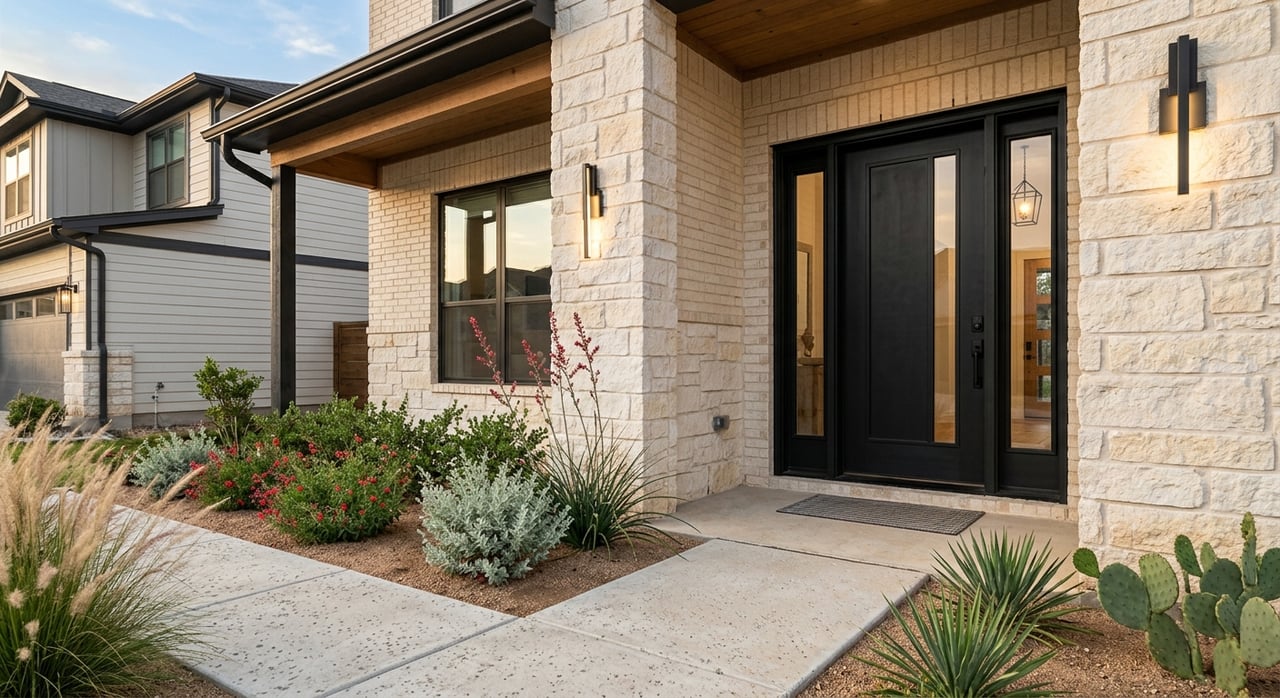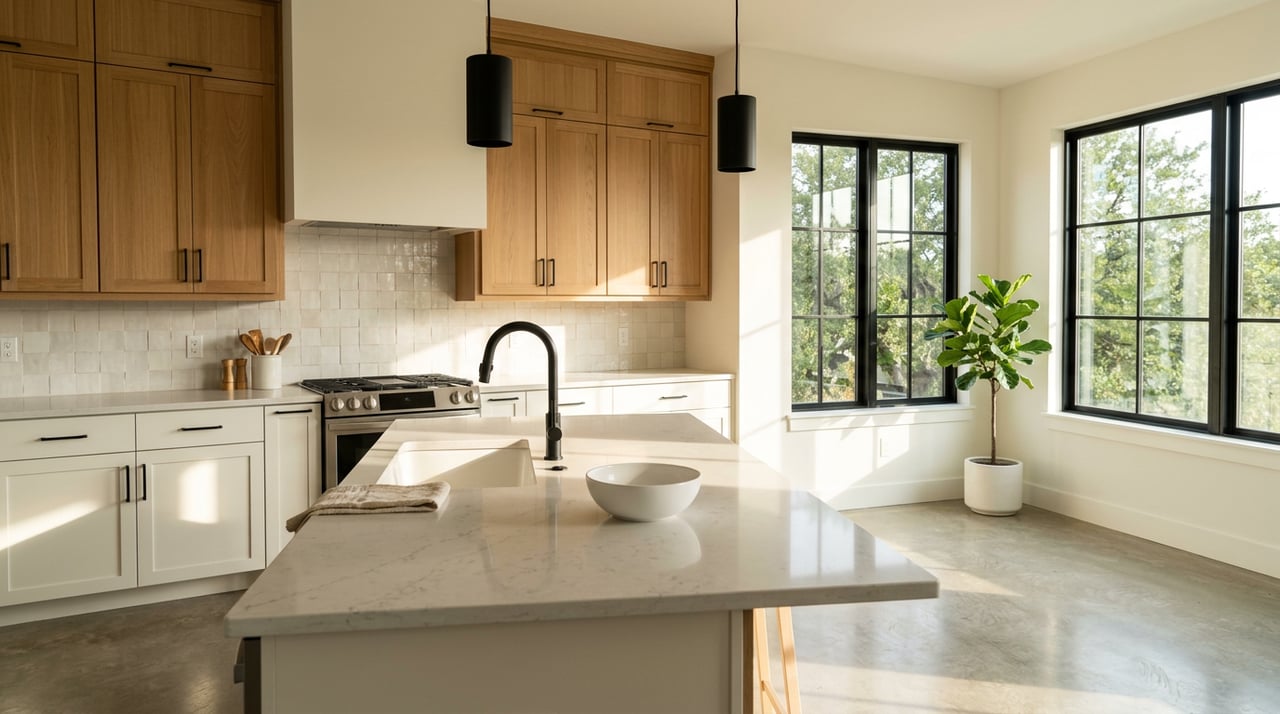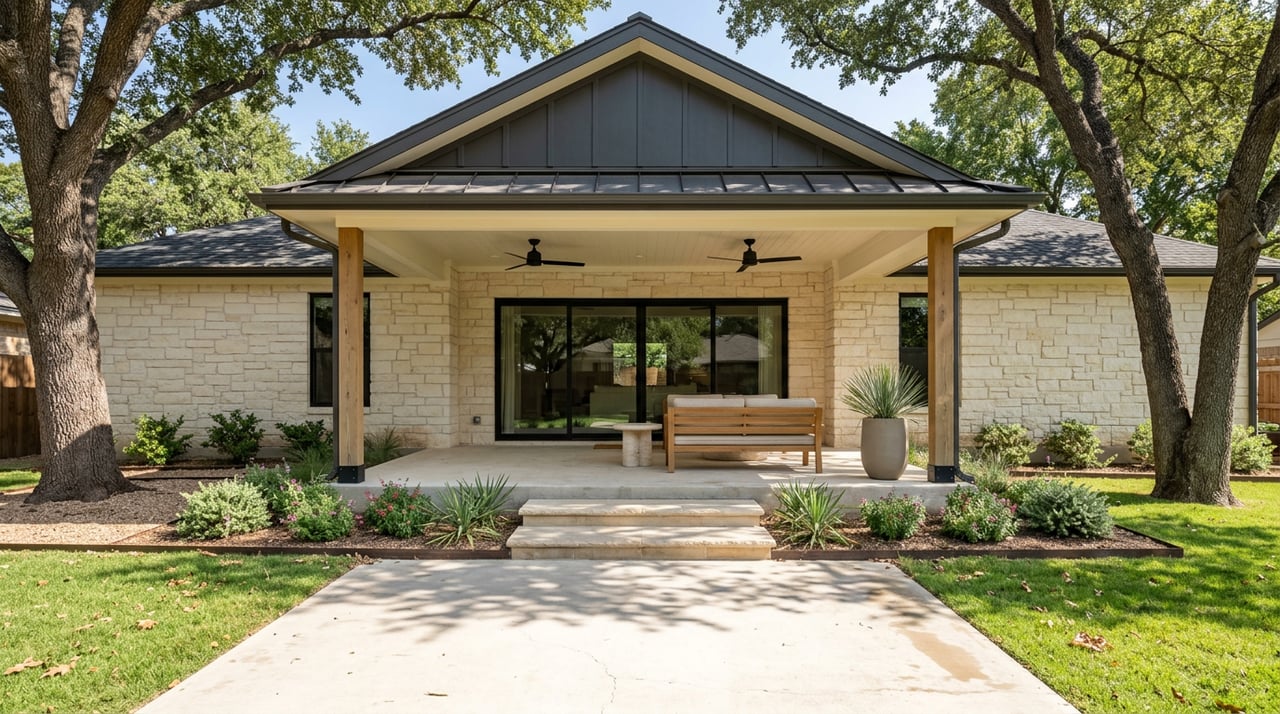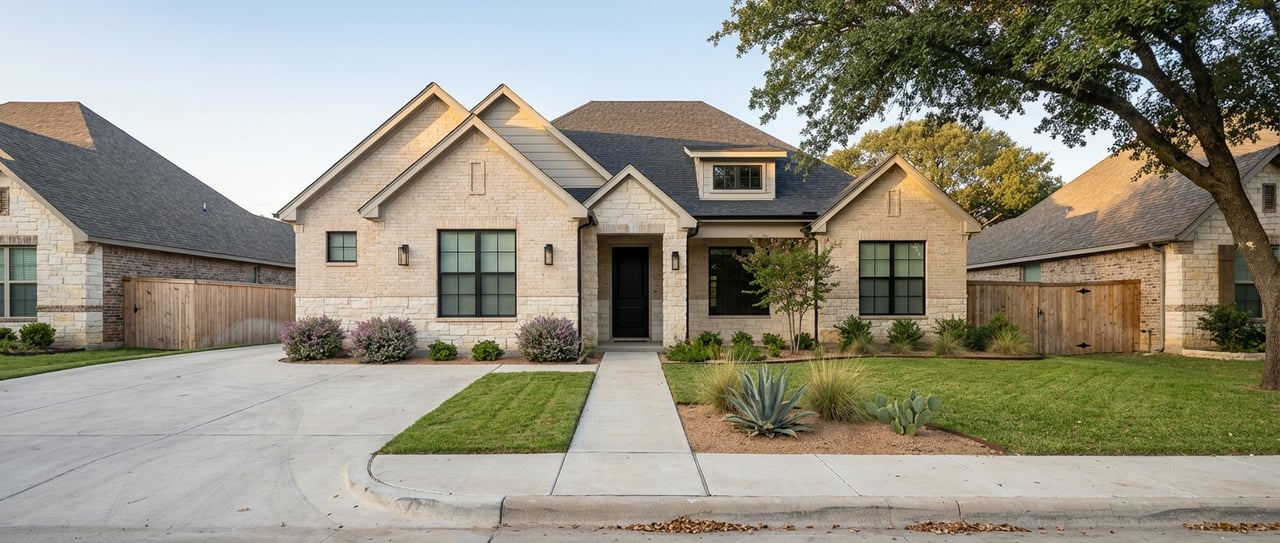
Dreaming of more space, starry skies, and a quieter pace without giving up access to San Antonio or New Braunfels? If Garden Ridge is on your list, one of the first choices you will face is whether an HOA or a non-HOA property fits your lifestyle. Both paths can work well in the Texas Hill Country, but they come with different rules, responsibilities, and costs. In this guide, you will learn how HOA and non-HOA living compare in Garden Ridge and what to confirm before you commit. Let’s dive in.
Garden Ridge living at a glance
Garden Ridge sits on the western edge of the Texas Hill Country in Comal County. Buyers tend to come here for larger lots, mature trees, and a bit more privacy while staying within a reasonable drive of major employers and everyday conveniences. Many move-up buyers want room for outdoor living, pools, or a shop building, plus the Hill Country feel that is hard to find in dense suburban neighborhoods.
Because properties vary, it helps to start with clarity on your top priorities. Do you want community amenities and uniform standards, or do you value flexibility for RV parking, barns, and custom landscaping? Your answers will guide whether an HOA or non-HOA home makes more sense.
HOA vs non-HOA basics in Texas
What an HOA does
An HOA is a private association created for a subdivision or planned community. It enforces recorded covenants, conditions, and restrictions, manages common areas, collects dues, and often oversees architectural guidelines. Associations range from light-touch “paper” HOAs to robust, amenity-rich communities with gates, private roads, parks, and pools.
Texas Property Code essentials
In Texas, property owners’ associations operate under the Property Owners’ Association Act in the Texas Property Code. These laws describe what HOAs can and cannot do, how they handle assessments and rulemaking, and what rights owners and buyers have to review key documents. Practically speaking, you should receive access to HOA documents and a resale certificate that outlines dues, rules, and financial status before closing.
What non-HOA means
A non-HOA property is not governed by an owners’ association. You may still see recorded deed restrictions at the county level, and city or county permitting will apply. You will have more day-to-day freedom, but you also assume more responsibility for maintenance, utilities, and any private road obligations that might exist.
Head-to-head comparison
Fees and assessments
- HOA properties typically charge dues on a monthly, quarterly, or annual schedule. Amenity-heavy or gated neighborhoods often charge more than minimal-service associations.
- HOAs can levy special assessments if reserves fall short for repairs or capital projects. Review budgets, reserve plans, and any history of special assessments so you can plan ahead.
- Non-HOA properties do not have HOA dues, but you may face variable costs such as private road shares, septic service, tree and brush management, or well maintenance where applicable.
Buyer takeaway: HOA dues can offer predictability in exchange for ongoing cost, while non-HOA costs can be irregular and sometimes large. Set a realistic budget that includes yard and acreage upkeep if you want a bigger lot.
Architectural controls and flexibility
- HOAs often require approval for exterior changes through an Architectural Review Committee. Standards can cover paint colors, fencing, outbuildings, setbacks, and landscaping.
- The upside is consistency in neighborhood appearance, which many buyers appreciate. The tradeoff is limits on personalization like RV parking or metal buildings.
- Non-HOA properties usually offer more flexibility for additions such as barns, shops, or detached garages, subject to recorded deed restrictions and city or county permitting.
Buyer takeaway: If your plans include a pool, workshop, or RV storage, verify the exact rules before you write an offer. If you prefer fewer restrictions, non-HOA living often fits better, but you will manage more details yourself.
Amenities and shared services
- HOA neighborhoods may provide parks, trails, pools, entry gates, and private roads, along with landscaping care for common areas.
- Non-HOA areas may not include shared amenities. Some communities organize voluntary groups or rely on special districts for utilities or limited park maintenance.
Buyer takeaway: If you want access to amenities without building your own, an HOA can be a good match. If you plan to create your own backyard oasis on a larger lot, a non-HOA property might be the better value.
Maintenance responsibilities
- HOAs maintain common spaces, and in some cases private roads and drainage infrastructure. They may also enforce standards for home and yard upkeep.
- Non-HOA owners handle everything on their lot. On larger Hill Country properties, that can include brush and tree work, erosion control, fence upkeep, septic or well service, and driveway maintenance.
Buyer takeaway: Time and budget matter. If you prefer predictable common-area maintenance and standards, HOAs provide structure. If you enjoy hands-on property care or want to hire your own vendors, non-HOA living puts you in control.
Enforcement and resale
- HOA rules are enforceable under Texas law. Consequences for violations can include fines, limits on use of amenities, and ultimately a lien process subject to statutory procedures. Review meeting minutes to understand how an association handles enforcement.
- Non-HOA disputes are addressed through neighbor communication, local ordinances, or recorded deed restrictions. There is less formal oversight.
Buyer takeaway: HOA status can shape your resale audience. Some buyers prefer the look and feel of HOA neighborhoods, while others prioritize freedom and acreage that non-HOA properties often provide.
Garden Ridge factors that matter
Lot size and accessory structures
Garden Ridge attracts buyers looking for half-acre or larger lots. If you plan to add a barn, shop, or detached garage, confirm any HOA rules, recorded deed restrictions, and city or county setbacks. Hill Country soils and slope can affect construction costs and placement for pools or outbuildings, so review surveys and soil or drainage notes.
Utilities, septic, and wells
Confirm whether the home is served by public water and sewer or by a well and septic system. Many larger or older lots in Hill Country settings rely on septic, which requires regular pumping and periodic inspections. Ask for recent service history, and budget for future upkeep as part of your long-term costs.
Roads and access
Find out whether streets are public or private. Public roads are typically county maintained. Private roads may be the responsibility of an HOA or the collective homeowners through a road agreement. This detail affects your long-term costs, especially if a private road requires resurfacing.
Wildfire and brush management
Hill Country properties can carry seasonal wildfire risk. HOAs sometimes require defensible-space standards and ongoing lot maintenance. Non-HOA owners set their own plan for brush clearing and tree management and should follow county guidance for safety and compliance.
Taxes and special districts
Verify property tax details through the county and check whether any special districts apply. Special districts can levy separate taxes or fees that are not related to an HOA. Understanding these line items will help you compare properties across Garden Ridge and nearby areas.
Due diligence checklist for buyers
If the property has an HOA
- CC&Rs, bylaws, rules and Architectural Review Committee guidelines
- Resale certificate, current budget, and most recent financials
- Reserve study if available, plus any planned capital projects
- Assessment schedule, collection policies, and history of special assessments
- Meeting minutes for the last 12 to 24 months and any pending litigation
- Management company and board contact information
If the property has no HOA
- Recorded deed restrictions from county records
- Current survey and plat that show easements, setbacks, and any private roads
- Road maintenance agreement if roads are private
- Septic inspection and well test results if applicable
- FEMA flood maps and any known flood or drainage history
Smart questions to ask
- What regular maintenance does this property require on a yearly basis?
- Are there known drainage, erosion, or slope concerns on the lot?
- Which utilities serve this address, and what are typical monthly costs?
- If private roads exist, how are costs shared and who organizes work?
- What is the typical ARC approval timeline for improvements in the HOA?
Cost planning for larger lots
Bigger Hill Country lots offer privacy and flexibility, but they also require more care. Build a realistic annual budget that includes lawn and landscape crews, seasonal brush work, tree trimming, fence repairs, and septic service if needed. In HOA communities, factor current dues and any known capital projects from the budget or reserve plan. In non-HOA areas, set aside a contingency fund for road work or unexpected maintenance.
How to choose what fits you
If you want consistency, amenities, and predictable standards, an HOA neighborhood can be a strong fit. If your priority is space, custom improvements, and fewer rules, a non-HOA property may be the better match. Either way, align your choice with how you live today and the projects you hope to complete in the next three to five years. A clear plan will save you time, money, and surprises after closing.
Ready to weigh your options in Garden Ridge with a local, finance-savvy guide at your side? Reach out to Cynthia Emerson for a consultative walkthrough of HOA documents, deed restrictions, utilities, and lot-by-lot considerations so you can move forward with confidence.
FAQs
What are typical HOA fee ranges in Garden Ridge?
- Fees vary widely by amenities and services. Ask for the resale certificate and current budget to see the exact dues, what they cover, and whether any special assessments are planned.
Can a Texas HOA place a lien or foreclose on a home?
- Yes, under Texas law and the community’s governing documents, HOAs can pursue liens and, in certain cases, foreclosure. Procedures and owner protections are defined in the Texas Property Code, so review documents carefully.
Who maintains private roads near Garden Ridge properties?
- Responsibility depends on the plat and recorded agreements. In many cases, an HOA or a road maintenance agreement among owners funds repairs and resurfacing. Confirm terms before you buy.
Will an HOA allow barns, shops, or RV parking in Garden Ridge?
- It depends on the community’s CC&Rs and ARC guidelines. Some HOAs restrict outbuildings and vehicle storage while others allow them with size or placement rules. Verify before making an offer.
How do non-HOA homes handle wildfire and brush management?
- Owners set and fund their own maintenance plan. Expect periodic brush clearing and tree work, especially in wooded or sloped areas, and follow county guidance for safety and compliance.
Do non-HOA properties have any rules at all?
- Many non-HOA areas still have recorded deed restrictions and city or county permitting requirements. Always review county records, the survey, and any restrictions before closing.